Sencha
Sencha is a steamed, lightly oxidized Japanese green tea made by infusing whole processed leaves of the tea plant in hot water. It is by far the most widely consumed tea in Japan, accounting for roughly 80 percent of the country's tea production, and is drunk both hot and chilled.
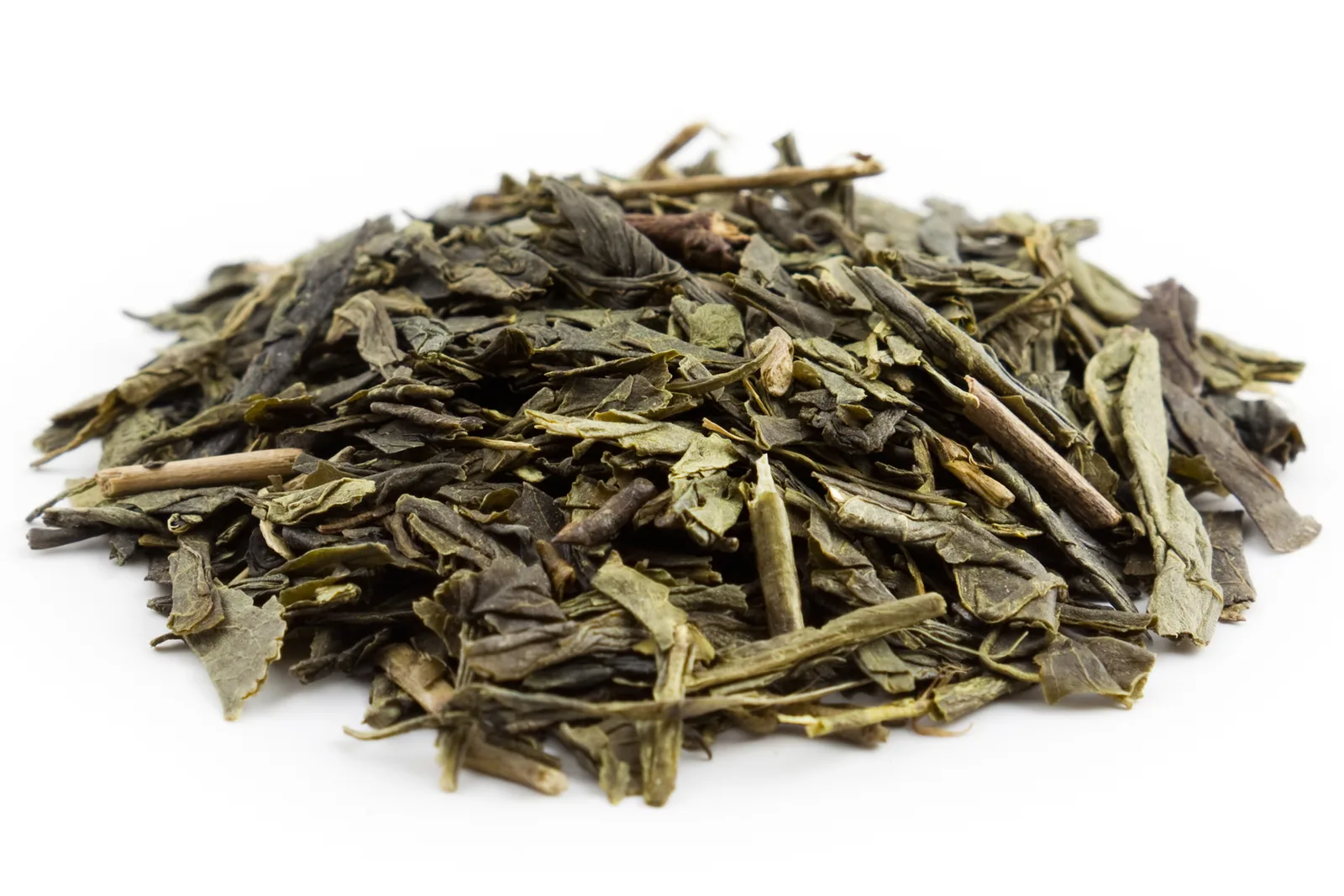
How sencha is prepared
Brewed as a hot infusion at moderate temperatures (around 70 to 80 degrees Celsius) and increasingly served as bottled and iced green tea; it is also blended with toasted rice to make genmaicha, roasted to make a sencha-based hōjicha, and combined with matcha powder. Internationally it appears in iced teas, lattes, and other green-tea-flavored drinks.
Cold Brewing
Other preparations
In depth
Origins in East Asian tea culture
Tea drinking spread to Japan from China, where the cultivation and brewing of the tea plant had developed over many centuries. Buddhist monks were central to its arrival: from the early 9th century they carried tea seeds and Chinese drinking customs across the sea, and figures such as the priest Eisai later championed tea as a healthful drink for ordinary people rather than a luxury reserved for monks and the elite. The oldest Japanese tea region, Uji near Kyoto, grew out of these early plantings. While Chinese green teas came to be pan-fired in dry woks, Japanese producers retained and refined a steaming method, which would eventually give sencha its distinctive character. Sencha as we know it, a tea made by steeping whole leaves in hot water, is thus a Japanese refinement of an imported tradition.[1]
The rise of the steeped-leaf style in Japan
For centuries powdered tea, whisked into hot water, dominated elite Japanese tea culture, but a parallel tradition of infusing loose leaves gradually took hold and became the everyday way of drinking tea. Sencha is prepared by pouring hot water over processed whole leaves and letting them steep, in contrast to matcha, where the powdered leaf itself is suspended in the cup and consumed. Its production differs sharply from Chinese green tea: freshly picked leaves are briefly steamed, often for only fifteen to twenty seconds, to halt oxidation before being rolled, shaped, and dried into the slender needle-like form that is characteristic of the style. This steaming step is what gives Japanese green tea its greener color, cloudier liquor, and more vegetal, sometimes seaweed-like flavor compared with pan-fired Chinese teas.[2]
Sencha as Japan's everyday infusion
Sencha became, and remains, the most popular tea in Japan, making up around 80 percent of the country's tea output. It is brewed at home and served throughout daily life, and its appreciation also developed into a formal art known as senchadō, the 'way of sencha.' The drink is sensitive to brewing technique: with cooler, more temperate water it yields a mellow, sweeter cup, while hotter water draws out more astringency, so adjusting temperature is part of the pleasure of preparing it. The ideal infusion is prized as a greenish golden liquid. Seasonal timing matters greatly, and the first flush of the year, called shincha or new tea, is regarded as the most delicious, harvested from tender spring leaves rich in stored nutrients and celebrated as a sign of good health for the year ahead.[2]
Shaded relatives: gyokuro and kabusecha
Sencha sits at the center of a family of related Japanese green teas defined by how long the plants are shaded before harvest. Standard sencha is grown largely in full sun, but covering the bushes for a period before picking changes the leaf chemistry, increasing amino acids such as theanine while reducing bitterness-causing catechins. Kabusecha, or covered tea, is shaded for roughly a week to several days and is sometimes described as a shade-grown sencha, yielding a mellower flavor and more subtle color than ordinary sencha. Gyokuro, shaded for about twenty days or more, is one of Japan's most prized and expensive teas, with a pronounced umami sweetness; it is brewed gently with cool water and is the grade often used in formal senchadō. These shaded teas show how a single processing and brewing tradition can be tuned to produce strikingly different drinks.[3]
Sencha transformed: bancha and hōjicha
Because sencha is plucked across the growing season, leaves harvested later or left over from processing give rise to humbler but widely enjoyed drinks. Bancha is gathered from the same bushes as sencha but picked later in the season, producing a lower-grade, bolder-tasting tea that pairs well with food and is common as an everyday brew. Bancha and other later-harvest leaves in turn became the base for hōjicha, a roasted green tea reportedly discovered in Kyoto in the early 1920s when a merchant roasted unsold leaf. The high-temperature roasting turns the leaves reddish-brown and replaces sencha's grassy notes with a warm, nutty, slightly caramel-like flavor while lowering caffeine and astringency. Its mildness makes hōjicha a favored after-dinner and evening drink, often served to children and older people.[4]
Blended drinks: genmaicha and matcha-iri sencha
Sencha also forms the leaf base for popular blended infusions. Genmaicha combines green tea with roasted and popped brown rice, giving a warm, nutty cup with a light yellow hue, sometimes nicknamed 'popcorn tea' because grains of rice burst during roasting. Historically the rice acted as a filler that stretched the tea and lowered its cost, making it more accessible, though today it is enjoyed across Japanese society. A version with added matcha powder, called matcha-iri genmaicha, has a stronger, greener character. Sencha is likewise blended directly with matcha powder, and stems and other plant parts gathered during processing are made into karigane and similar twig-and-leaf teas. These blends extend sencha's grassy backbone into a range of mellow, comforting everyday drinks.[5]
Sencha in the modern global drinks market
Today nearly all tea produced in Japan is green tea, and sencha remains the dominant style, with the Yabukita cultivar accounting for the great majority of plantings and Shizuoka Prefecture producing a large share of the national crop. Modern production is heavily mechanized, with only the finest leaves still picked and processed by hand. Beyond the hot infusion, sencha-style green tea now reaches consumers worldwide through bottled and canned unsweetened teas, iced preparations, and tea-flavored products, with cheaper bottled drinks often relying on lower-grade Japanese-style leaf grown in China. As global interest in Japanese green tea has grown, sencha and its relatives have moved well beyond the traditional teacup into cafés and ready-to-drink formats, even as premium grades remain tied to seasonal harvests and careful, low-temperature brewing.[1]
Styles
Part of Green Tea