Vanilla
The cured seed pod of a tropical climbing orchid, vanilla is among the most complex and prized flavoring agents known, releasing its characteristic aroma only after a labor-intensive curing process. It is used in beverages as whole pods, ground powder, or as an alcohol-based extract.
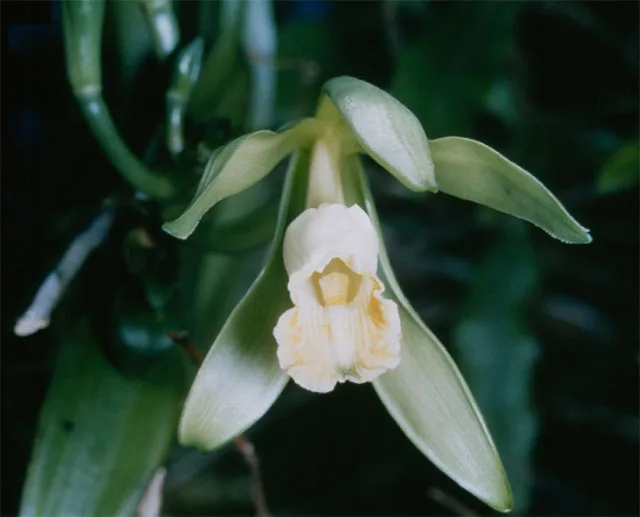
How vanilla is prepared
Vanilla flavors hot and cold chocolate drinks, corn-based atole and champurrado, sweet sodas such as cream soda, dairy-based hot and cold drinks, and modern coffeehouse beverages; it is also the basis of alcohol-extracted flavoring used to scent many drinks.
Beechwood Smoking
Cold-smoking ingredients over smouldering beechwood to add gentle, aromatic smoke.
In depth
Origins among the Totonac and the cacao drinks of Mesoamerica
Vanilla's earliest documented role in beverages belongs to the Totonac people of the Gulf coast of what is now Veracruz, who cultivated the orchid's pods long before European contact and used them to perfume temples, to make protective charms, and to flavor both foods and drinks. Growing wild around the Gulf and the Caribbean, the plant supplied a flavoring that remained little known beyond these tropical lowlands. The aromatic pod was prized precisely because it could soften and enrich other ingredients, and its most enduring beverage partnership was with cacao, a pairing that would shape drink culture for centuries to come.[1]
The Aztec chocolate drink
When the Aztecs took control of Totonac territory in the early fifteenth century, they adopted vanilla and folded it into the elite drinking culture of cacao. Chocolate was a prestige beverage reserved for rulers, warriors, and nobles, prepared by mixing ground roasted cacao with water and a long list of flavorings, then beating or pouring the liquid to raise a rich foam. Vanilla pods were among the most refined of these additions: surviving accounts describe a ruler being served a spectrum of chocolate drinks, including a honeyed version made with green vanilla pods. Because cane sugar was unavailable, vanilla and honey helped temper the naturally bitter cacao, and the resulting drink was consumed with great solemnity rather than casually.[2]
Crossing to Europe as a chocolate flavoring
Vanilla traveled to Europe alongside chocolate in the early sixteenth century, and for generations the two remained linked in the imagination of European drinkers. As the chilled, spicy cacao drink of the Americas was reinvented into a warm, sweetened beverage for the nobility, vanilla persisted as one of its defining aromatics. By the seventeenth century hot chocolate had become a fashionable luxury, and recipes of the period perfumed it with vanilla alongside ingredients such as jasmine, musk, and ambergris. Spanish drinkers reworked the native flowers and spices with cinnamon, anise, and black pepper, but vanilla endured as a flavoring that bridged the older Mesoamerican drink and its European descendants.[3]
Atole, champurrado, and the corn drinks of Mexico and Central America
In Mexico and Central America vanilla also became a standard flavoring for the masa-based hot drinks descended from indigenous tradition. Atole, a thick beverage of corn dough cooked with water, is commonly seasoned with cinnamon and vanilla, sometimes with the addition of fruit or chocolate. Its chocolate-enriched cousin, champurrado, blends masa with cacao, unrefined cane sugar, and aromatics that frequently include cinnamon, aniseed, or vanilla, whipped frothy with a wooden molinillo. These warming drinks accompany tamales and are especially associated with the Day of the Dead and the Christmas season, carrying vanilla's flavor into everyday and festive drinking far beyond the elite cacao cup.[4]
Vanilla extract and the rise of alcohol-based flavoring
As global cultivation spread in the nineteenth century, vanilla became available not only as whole pods but as a concentrated extract made by macerating and percolating the cured beans in a solution of ethanol and water. This alcoholic preparation, which retains the several hundred aromatic compounds that give true vanilla its depth, became the most common form of the flavoring in use. Because both pure and imitation extracts are alcohol-based, they sit at the practical heart of countless beverage recipes, lending vanilla character to dairy drinks, custards, and mixed drinks with only a small measured addition. Much of the world's commercial vanilla flavor, however, is synthetic vanillin rather than pod-derived extract, reflecting how expensive the genuine spice remains.[5]
Cream soda and the sweet vanilla soft drinks
By the mid-nineteenth century vanilla had become a defining flavor of carbonated soft drinks, most clearly in cream soda. Early recipes for the drink, such as one published in an American farming journal in 1852 and a patented "cream soda-water" formula of the 1860s, called for vanilla extract among their flavoring materials, and vanilla cream soda was further developed as a distinct style in the United States. The category remains diverse worldwide: many versions are clear or golden and explicitly vanilla-flavored, while others range from pink, raspberry-tinged formulations to bubble-gum and floral variants. Across these traditions vanilla supplies the sweet, creamy backbone that gives the drink its name.[6]
Vanilla in modern beverages
Today vanilla is regarded as one of the world's most popular flavors and is used across a wide spectrum of drinks, from hot chocolate and flavored coffee-shop beverages to dairy-based cold drinks and sweetened sodas. Mexican-style hot chocolate still commonly carries vanilla alongside cinnamon and sugar, while regional drinking-chocolate traditions around the world continue to layer it among their aromatics. Because only a small quantity is needed to impart its signature aroma, vanilla functions both as a flavor in its own right and as an enhancer that rounds out chocolate, caramel, and coffee notes. Its high cost relative to most spices means that genuine vanilla in beverages often shares the marketplace with synthetic vanillin, yet the flavor it defines remains ubiquitous in the world's drinks.[1]
Related
References
- [1]EncyclopediaVanilla — Wikipedia↑§1↑§7
- [2]EncyclopediaAztec cuisine — Wikipedia↑§2
- [3]EncyclopediaHot chocolate — Wikipedia↑§3
- [4]EncyclopediaChampurrado — Wikipedia↑§4
- [5]EncyclopediaVanilla extract — Wikipedia↑§5
- [6]EncyclopediaCream soda — Wikipedia↑§6