Hojicha
Hojicha is a Japanese roasted green tea made by firing already-processed leaf, twig, or stem tea over high heat until it turns from green to reddish-brown. Unlike most Japanese green teas, which are steamed and left unroasted, hojicha owes its character to roasting, which produces a mellow, low-astringency infusion of clear reddish-brown color.
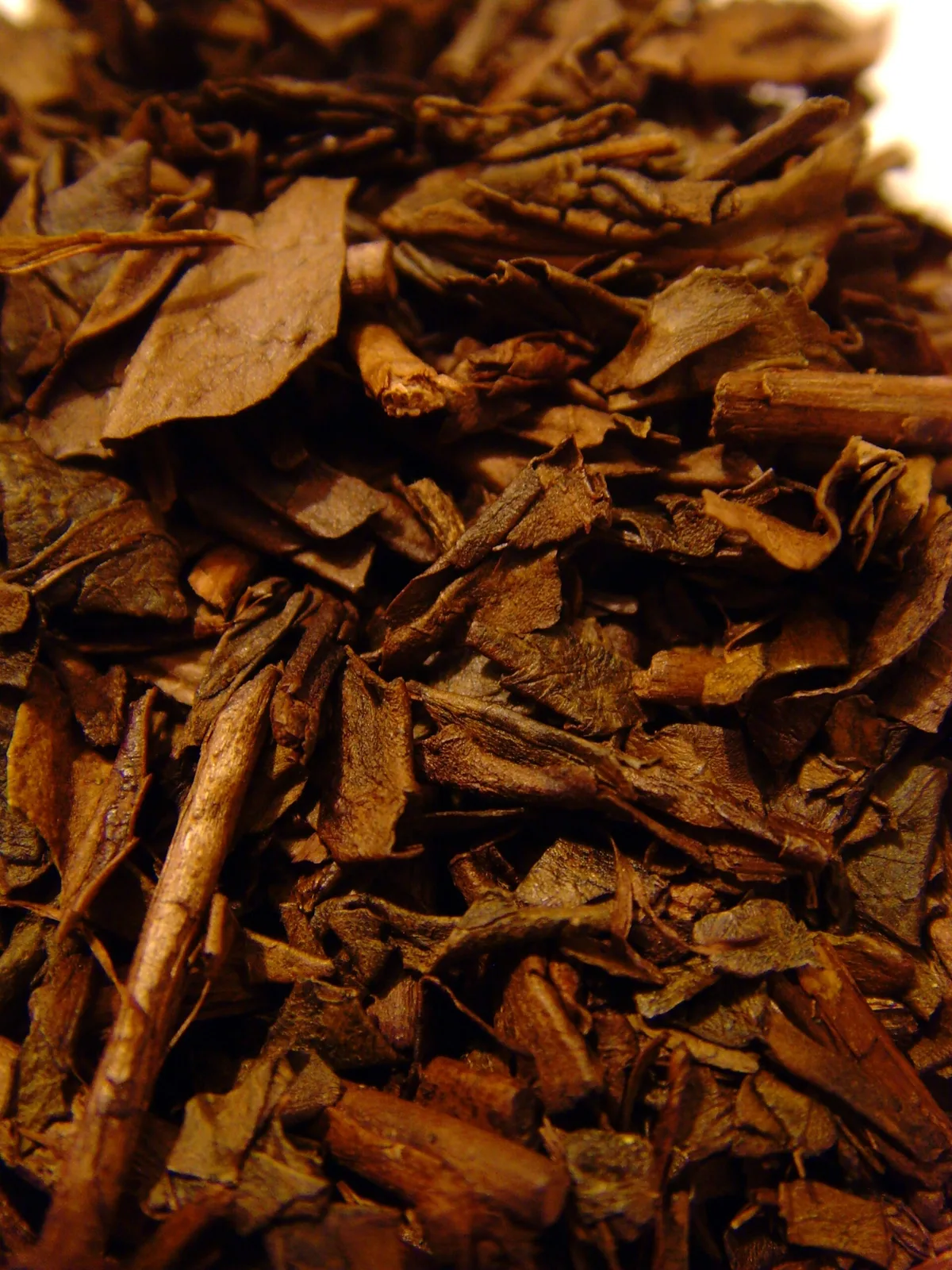
How hojicha is prepared
Brewed as a hot infusion served with or after meals, served chilled as iced tea, and—especially in recent decades—ground into powder for steamed milk drinks such as hojicha lattes, both hot and iced.
Tea Fermentation
The controlled microbial or enzymatic transformation of tea leaves, an experimental R&D direction for developing complex flavors beyond distillation alone.
In depth
Roots in Japanese green tea tradition
Hojicha belongs to the long lineage of Japanese green tea, a tradition that began when Buddhist monks and envoys carried tea seeds and drinking customs back from China starting in the eighth and ninth centuries. Over the following centuries tea moved from religious and aristocratic circles into wider society, and by the Edo period a new style of steeped, unpowdered leaf tea—sencha—had taken hold. Hojicha emerged much later from this same world of steamed Japanese green teas, but it broke with their defining trait: rather than preserving the fresh green character of the leaf, it transforms it through roasting. It is therefore best understood as a roasted treatment applied to ordinary green teas already in everyday use.[1]
The base teas: bancha and kukicha
Most hojicha is built from humble material. Its usual foundation is bancha, a coarse, lower-grade green tea plucked from the same bushes as sencha but later in the season, after the finer harvests are done; this gives a bold, plain brew well suited to drinking with food. Hojicha is also frequently made from kukicha, the twig-and-stem tea gathered from parts of the plant excluded from leaf teas, which carries a mildly nutty, faintly creamy sweetness of its own. Some versions roast sencha instead. Because these inexpensive, everyday teas form its base, hojicha has long been an affordable, casual drink rather than a prestige one.[2]
The accidental invention of a roasted tea
Hojicha as a distinct drink dates to early twentieth-century Kyoto, where the roasting process is said to have been hit upon by chance around 1920 when a merchant, left with bancha he could not sell, roasted it and discovered an appealing new flavor. The method involves firing the leaves at high temperature—traditionally in a porcelain vessel over charcoal—which halts oxidation and shifts the color from green to a golden reddish-brown. The heat drives off much of the leaf's astringency by reducing its catechins and also lowers caffeine, while bringing out toasty, slightly caramel-like notes in place of the grassy character of unroasted green tea. Brewed, it yields a clear reddish liquor with a nutty fragrance and almost no bitterness.[3]
An everyday evening tea in Japan
Within Japan hojicha settled into a particular role as a gentle, everyday beverage. Steeped briefly in water cooler than boiling—around 80 degrees Celsius for anywhere from half a minute to a few minutes—it produces a light, soothing cup. Its mildness and reduced caffeine made it the tea of choice to serve at or after the evening meal, before sleep, and to offer to children and older drinkers who might find stronger green teas too astringent or stimulating. In this it contrasts with the green, vegetal sencha that dominates daytime Japanese tea drinking.[3]
From leaf infusion to powdered milk drinks
While hojicha began life strictly as a steeped infusion, it is now also sold in powdered form, opening the way to a new family of drinks. Ground hojicha can be whisked or mixed with steamed milk to make a hojicha latte, the roasted-tea counterpart to the matcha latte that combines powdered green tea with milk or a plant-based substitute and may be served hot or iced. These drinks follow the same template as the modern matcha latte that spread through cafes in the late twentieth and early twenty-first centuries, offering hojicha's toasty, low-caffeine flavor in a creamy, often lightly sweetened format.[4]
Hojicha today and abroad
In contemporary use hojicha appears across a wide range of beverages. Beyond the traditional hot infusion served with meals, it is widely enjoyed chilled as an iced tea and turns up in bottled and canned form, while its powdered version supports lattes, blended iced drinks, and dessert-style beverages. As Japanese green teas have gained international popularity, hojicha has followed, prized abroad for the same qualities that long recommended it at home: a warm roasted flavor, gentle sweetness, minimal bitterness, and a caffeine level low enough to drink late in the day.[5]
Part of Roasted Green Tea