White Currant
Also known as: white currants
The white currant is a pale, translucent cultivar group of the redcurrant, bearing small spherical berries that are softer in color and gentler in taste than their red counterparts. In beverages it serves as a delicate fruit base for country wines, infused cordials, syrups, and sparkling soft drinks, especially in cool-climate regions of Europe.
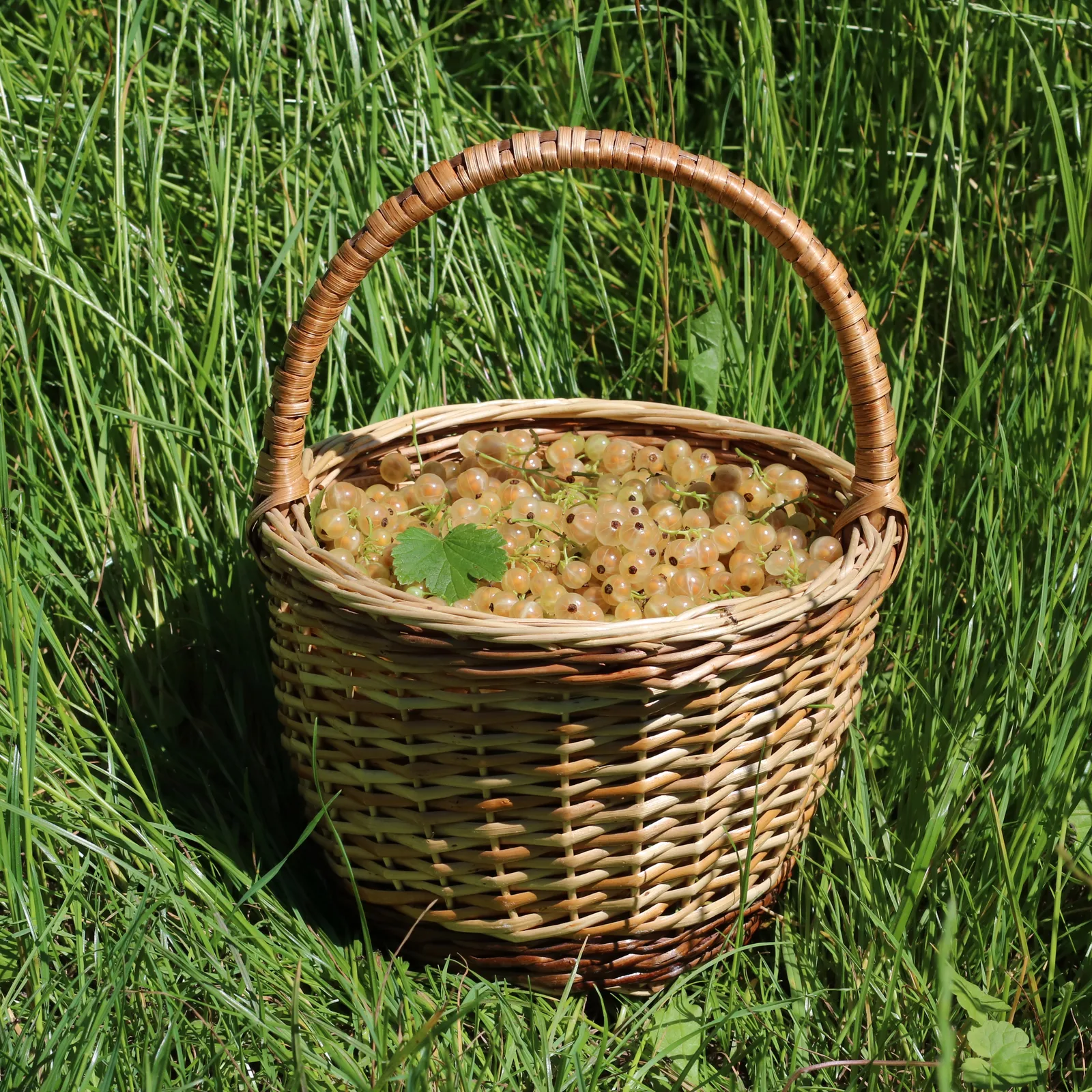
How white currant is prepared
Used to make light country (fruit) wines, infused cordials and squashes, fruit syrups diluted with still or sparkling water, and as a seasonal garnish or flavoring in mixed drinks. It also serves as a fruit base for vinegar-based shrubs and as one of the berries steeped in spirit-and-sugar preparations.
Pichia Kluyveri Fermentation
Fermentation with the low-alcohol yeast Pichia kluyveri, which develops wine-like, tropical aromatics while producing little or no ethanol.
In depth
Origins in European fruit cultivation
The white currant is not a separate species but a less-pigmented cultivar group of the redcurrant, Ribes rubrum, a shrub native to Europe. Its berries ripen translucent and pale rather than red, and they tend to be a touch smaller and noticeably sweeter, with a softer acidity. Larger-fruited currants were first selected by growers in Belgium and northern France during the 17th century, and named white forms followed; the cultivar 'Versailles Blanche' (White Versailles) was bred in France in the 1840s. Because the white currant carries the same balance of sugar, acid, and water as the red, it lent itself early on to the same domestic uses, including syrups, preserves, and home-fermented drinks, particularly in the cooler northern districts where the bushes fruit best.[1]
Country wines of the cool north
In regions too cold to ripen good wine grapes, currants became a reliable fruit for home and small-scale winemaking, and both red and white currant wines belong to this northern European and Scandinavian tradition of fruit, or country, wines. Whitecurrant wine is regarded as one of the simpler fruit wines to produce: the berries' natural chemical balance allows the finished wine to clarify on its own without added fining agents. Because currants are relatively low in fermentable sugar, the must is typically supplemented with sugar or honey to reach a drinkable alcohol level, a routine adjustment in country winemaking. The pale juice of the white currant yields a lighter-colored wine than the red, and such wines were historically a way to put a summer berry harvest to use through the year.[2]
Syrups and cordials
Beyond fermentation, white currants have long been turned into syrups and cordials, a use noted alongside their preserves and jellies. In the British tradition these concentrated fruit syrups, known as squash or cordial, are blended with still or sparkling water to taste, giving a refreshing non-alcoholic drink; currants are among the berries commonly used as a base. A whitecurrant cordial produces a paler, more delicate drink than the familiar blackcurrant version, carrying the fruit's gentle tartness without heavy color. Such syrups also double as mixers, combined with spirits or soda to build simple cocktails and long drinks.[3]
The German-speaking soda tradition
In German-speaking central Europe, currant syrup has a well-established place in everyday refreshment. Currants are called Johannisbeeren, after St. John's Day at midsummer, when the berries are said to begin ripening, and syrup or nectar drawn from them is mixed with soda water to make a spritz known as Johannisbeerschorle. While this drink is most associated with the red currant, the same practice extends naturally to the pale-fruited white currant, whose milder, sweeter juice makes an equally suitable base for a light, fizzy seasonal beverage in Germany, Austria, and neighboring regions.[4]
Vinegar shrubs and drinking vinegars
White currants also fit the old practice of preserving soft summer fruit in vinegar to make a shrub, a sweet-and-sour syrup that in colonial America was traditionally built from berries steeped in vinegar, then strained and sweetened with sugar or honey. The resulting drinking vinegar can be diluted with still or carbonated water for a soft drink or used as a tart mixer in cocktails, where its acidity makes a useful, citrus-free alternative to bitters. Shrubs faded with the arrival of home refrigeration but returned to fashion in bars and cafes from around 2011 onward, riding alongside the revival of kombucha and other fermented drinks; seasonal berries such as currants are well suited to these house-made, low-sugar preparations.[5]
Currants in spirit-steeped pots
In Austria, Germany, and Denmark, summer berries are layered through the year into the rum pot, or Rumtopf, a stoneware vessel in which ripe fruits are covered with high-strength rum and sugar and left to mature for months until the season's bounty is fully preserved in alcohol. Currants and other berries are among the fruits added as they come into season. While the rum pot is primarily eaten as a dessert compote, the perfumed, fruit-saturated liquor it yields can be spooned over ice cream or used to flavor and sweeten mixed drinks, making the white currant one of several berries that contribute to this preserved, spirit-based regional tradition.[6]
Present-day specialty use
Today the white currant remains a niche but valued ingredient in craft and low-alcohol drink-making, prized for its delicate flavor and pale, translucent appearance. Modern producers and home enthusiasts use it for small-batch fruit wines, artisanal cordials and squashes, vinegar shrubs, and as a fresh garnish or seasonal flavoring in cocktails and spritzes. Its gentler sweetness and lower color make it a refined alternative to the more assertive blackcurrant and the sharper redcurrant, suiting the contemporary interest in subtle, seasonal, and lower-sugar beverages.[1]
References
- [1]EncyclopediaWhite currant — Wikipedia↑§1↑§7
- [2]EncyclopediaFruit wine — Wikipedia↑§2
- [3]EncyclopediaSquash (drink) — Wikipedia↑§3
- [4]EncyclopediaRedcurrant — Wikipedia↑§4
- [5]EncyclopediaShrub (drink) — Wikipedia↑§5
- [6]EncyclopediaRumtopf — Wikipedia↑§6