Snow Chrysanthemum
Hardy varietal from China's Kunlun Mountain area; spends nearly half its life buried under snow
Snow Chrysanthemum is the dried golden-and-maroon flower head of Coreopsis tinctoria, a daisy-family plant brewed as a floral herbal infusion (tisane). Despite its English name, it is not a true chrysanthemum but a coreopsis; the name reflects its visual and functional resemblance to the chrysanthemum flowers long used for tea in East Asia.
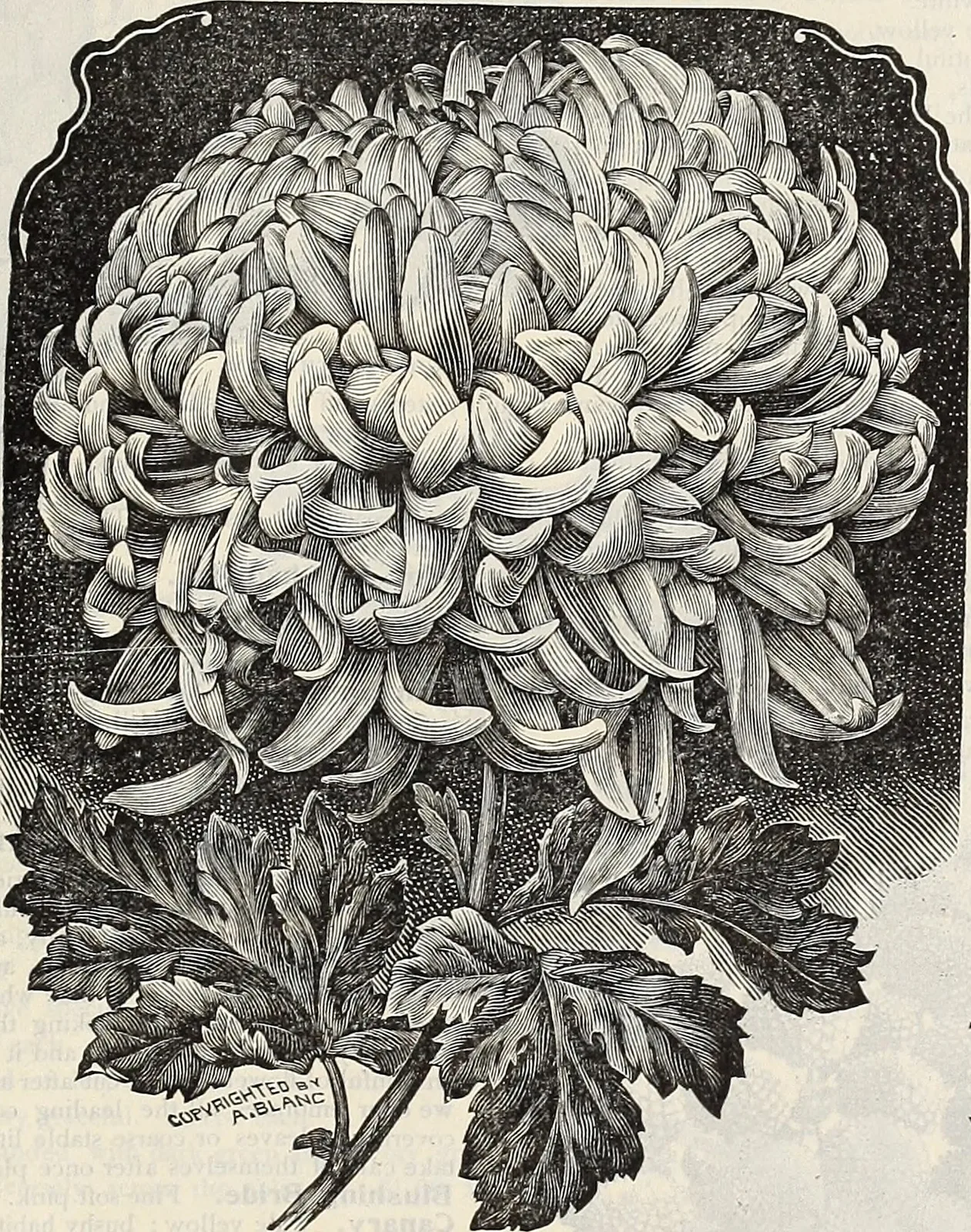
How snow chrysanthemum is prepared
Primarily prepared as a steeped herbal infusion in hot water, often resteeped several times in the Chinese manner. The dried flowers are also used in flowering-tea bundles, blended tisanes, iced floral teas, and as a colorful botanical garnish or base for caffeine-free specialty drinks.
Tea Fermentation
The controlled microbial or enzymatic transformation of tea leaves, an experimental R&D direction for developing complex flavors beyond distillation alone.
In depth
North American origins and Zuni use
The plant behind Snow Chrysanthemum is Coreopsis tinctoria, an annual wildflower of the daisy family native to much of central North America, from the Canadian prairies through the Great Plains and southern United States into northeastern Mexico. Its bright yellow ray florets and dark maroon centers made it valuable for dye, and the specific epithet tinctoria itself records its use in coloring. Among the Zuni people of the American Southwest, the blossoms were boiled into a hot drink that served as an everyday beverage until coffee was introduced through trade. This earliest documented beverage use sits far from the East Asian tea traditions the plant is now associated with, but it establishes that the flower was steeped and drunk long before it acquired a marketable name.[1]
Naturalization in China and the rise of a Xinjiang specialty
Coreopsis tinctoria spread well beyond its homeland as an ornamental and has become naturalized in China. There it found a second beverage life in the high country of Xinjiang, the vast autonomous region at the crossroads of Central and East Asia. Flowers grown at altitude in the Kunlun mountain zone are dried and sold under names that translate as Snow Chrysanthemum or Kunlun Snow Chrysanthemum, the "snow" evoking the cold mountain environment in which the crop is gathered. Though botanically a coreopsis rather than a true chrysanthemum, the dried flower was slotted into the existing Chinese appetite for floral teas, and it grew into a regional specialty crop and a recognizable category of healthful infusion within the broader Chinese herbal-tea market.[2]
Kinship with chrysanthemum tea
Snow Chrysanthemum's beverage identity borrows directly from the older and far more widespread tradition of chrysanthemum tea, made from the true chrysanthemum flowers of species such as Chrysanthemum morifolium and Chrysanthemum indicum. That floral infusion was popularized as a drink during the Song dynasty and remains a staple across East and Southeast Asia, prepared by steeping dried flowers in hot water just off the boil, frequently sweetened with rock or cane sugar and yielding a clear, pale-to-bright-yellow cup with a gentle floral aroma. A defining habit of this tradition is reuse: after the first pot is drunk, fresh hot water is poured over the same flowers to draw additional, progressively lighter infusions. Snow Chrysanthemum is brewed and resteeped in the same way, which is why it is so readily understood and marketed as a chrysanthemum-style tea even though the two plants are unrelated.[3]
Its place among herbal infusions
As a drink made by steeping a plant other than Camellia sinensis, Snow Chrysanthemum belongs to the family of herbal teas, properly herbal infusions or tisanes. Like chrysanthemum, hibiscus, and other flower-based infusions, it is naturally free of the caffeine found in true tea, and it is prepared by pouring hot or boiling water over the dried flower heads and allowing them to steep. Such infusions may be drunk plain or sweetened, served hot or cold, and combined with other botanicals. Within this category the dried coreopsis flower behaves much like its better-known floral cousins, contributing color and a soft, slightly sweet floral character rather than the briskness or astringency of leaf tea.[4]
Blends, flowering teas, and modern presentation
In contemporary practice Snow Chrysanthemum is rarely confined to a single use. It is steeped on its own, blended with true chrysanthemum, goji berries, or other herbs, and incorporated into hand-tied flowering-tea bundles, the dried-leaf-and-flower bulbs that unfurl dramatically when steeped in clear glass. Chrysanthemum and other flowers have long been chosen for such bundles precisely because they make an attractive centerpiece when the bundle blooms, and the deep amber liquor and intact golden blossoms of Snow Chrysanthemum lend themselves to this visual style of presentation. Served in glass to show off its color, resteeped in the Chinese manner, or chilled into a floral iced drink, it functions today as a caffeine-free specialty botanical at home in the wider world of Chinese flower teas.[5]
References
- [1]EncyclopediaPlains coreopsis — Wikipedia↑§1
- [2]EncyclopediaXinjiang — Wikipedia↑§2
- [3]EncyclopediaChrysanthemum tea — Wikipedia↑§3
- [4]EncyclopediaHerbal tea — Wikipedia↑§4
- [5]EncyclopediaFlowering tea — Wikipedia↑§5