Rosemary
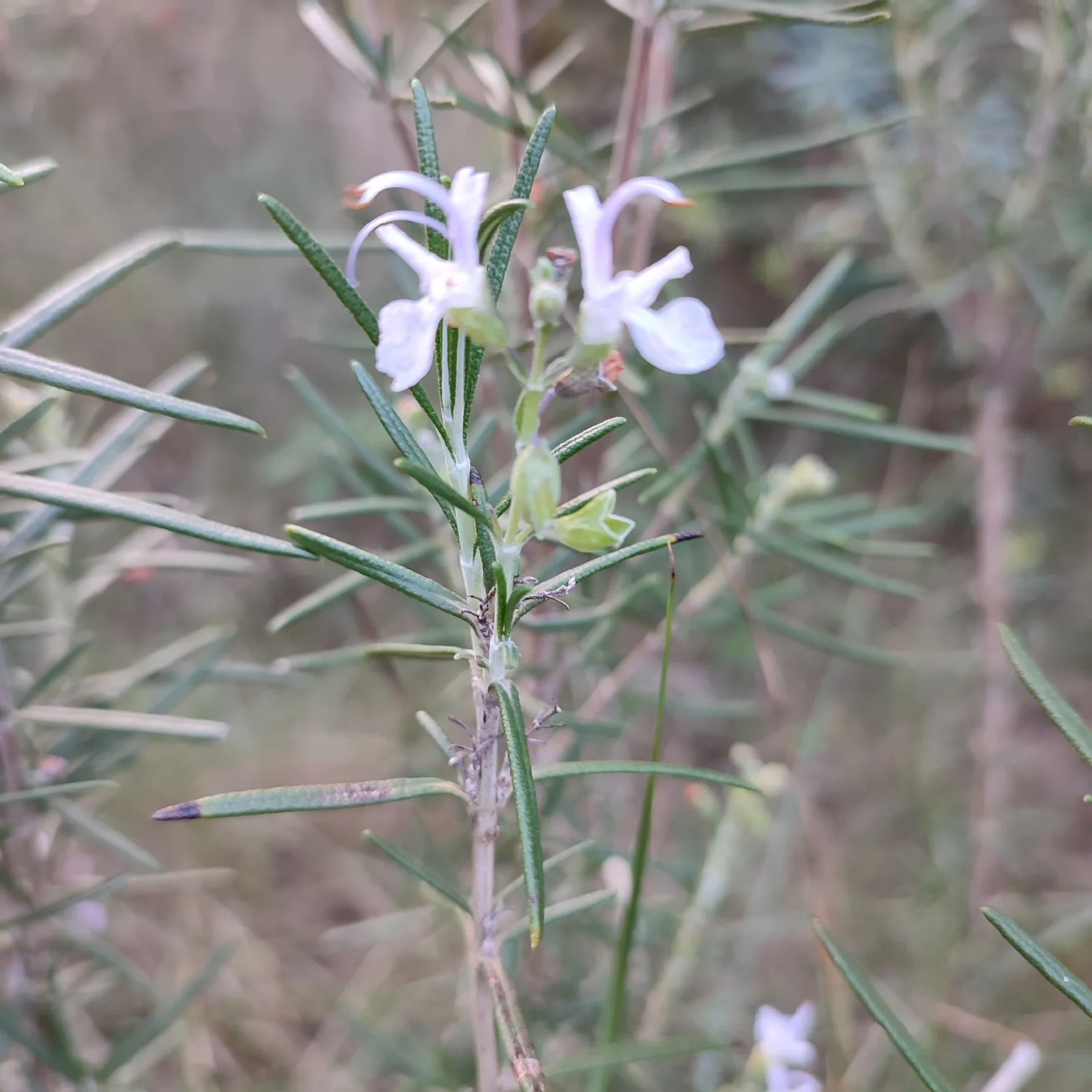
An evergreen, aromatic shrub of the mint family bearing needle-like leaves, long valued in cooking, medicine, and scent. In drinks, it contributes a resinous, herbaceous character to teas, fermented ales, fortified and infused beverages.
How rosemary is prepared
Used as a steeped herbal infusion, as a bittering and flavoring herb in pre-hop and modern craft ales, as a botanical in aromatized fortified wines and herbal liqueurs, and as a fresh aromatic accent in contemporary low- and no-alcohol infusions, syrups, and sodas.
Steam Distillation
A distillation method where steam is passed through plant material to vaporize volatile aromatic compounds, which are then condensed back into liquid form.
In depth
Mediterranean origins and the simple infusion
Rosemary grows wild across the Mediterranean basin, where its fragrant, needle-shaped leaves carry a strong pine-like aroma. Ancient Egyptians, Greeks, and Romans regarded the plant as sacred, and early writers on plants and medicine, including Dioscorides in his influential herbal, recorded its uses. From this same tradition comes one of the oldest and most enduring ways of taking rosemary as a drink: a hot-water infusion of its leaves, steeped and consumed as an herbal tea. This simple tisane, made from leaves rather than from the tea plant, remains the most direct beverage application of the herb and the foundation for nearly every later use.[1]
Rosemary as an herbal tea
Because herbal teas can be brewed from almost any edible part of a plant, rosemary leaves lend themselves readily to infusion in hot or boiling water. Steeped on their own or blended with other herbs and fruit, rosemary produces a fragrant, resinous, caffeine-free cup. It belongs to the broad family of non-caffeinated, non-psychoactive infusions alongside herbs such as sage, thyme, and mint, many of which double as both culinary seasonings and folk remedies. As with other oily, aromatic leaves, rosemary may need a longer steep for its volatile oils to release fully into the water.[2]
A flavoring herb in early beer: gruit and beyond
Before hops became the standard bittering and preserving agent in beer, European brewers relied on mixtures of herbs known collectively as gruit. While the core gruit blends centered on plants such as sweet gale, yarrow, and mugwort, rosemary belonged to the wider group of aromatic herbs valued partly for antiseptic qualities that could help extend a beer's shelf life. As hops gradually displaced these herb mixtures between roughly the eleventh and sixteenth centuries, rosemary's brewing role faded. It has since returned through the craft and microbrewery revival, where modern gruit-style and botanical ales again feature rosemary, sometimes paired with juniper, lemon peel, or other foraged aromatics.[3]
Distilled rosemary waters: Hungary water
By the fourteenth century, rosemary became central to one of Europe's earliest alcohol-based scented waters, commonly called Hungary water or the Queen of Hungary's water. Its oldest recipes called for distilling fresh rosemary, often together with thyme, with a spirit base such as brandy; later versions added wine, lavender, mint, sage, and citrus. Though primarily a perfume and a celebrated 'cure-all' remedy, Hungary water blurred the line between fragrance and beverage, since recipes sometimes directed users to drink it in small sips for its supposed benefits. It remained among the most popular fragrant waters in Europe until eau de Cologne rose to prominence in the eighteenth century.[4]
A botanical in eau de Cologne and citrus waters
As lighter spirit-and-citrus waters succeeded the older rosemary-heavy formulations, rosemary persisted as one of the supporting botanicals. The classic eau de Cologne, first mixed in the German city of Cologne in the early eighteenth century, was built on a base of dilute ethanol and citrus oils but could also include rosemary alongside lavender, thyme, oregano, and neroli. Though intended as a fragrance, such waters had a high alcohol content and were occasionally consumed; this herb-and-citrus template, with rosemary as an accent, foreshadows the aromatic, refreshing profiles now sought in non-alcoholic botanical drinks.[5]
Aromatized wines and herbal liqueurs
Rosemary also belongs to the tradition of wines and spirits flavored with botanicals. Aromatized, fortified wines such as vermouth are built from a wine base infused with a proprietary mix of herbs, roots, barks, and spices, a practice with deep roots in medicinal wine-making; rosemary sits comfortably among the aromatic herbs used to season such drinks. Similarly, herbal liqueurs descend from monastic herbal medicines, prepared by infusing herbs, woods, or flowers in alcohol and sweetening the result. In both categories rosemary contributes its resinous, faintly bitter character, whether in commercial herb blends or in homemade infused liqueurs and bitters.[6]
Rosemary in modern no- and low-alcohol drinks
Today rosemary is a favored aromatic in the growing world of low- and no-alcohol specialty beverages. Its strong pine-and-resin profile carries well in hot infusions and cold-brewed waters, and it is frequently turned into herb syrups, shrubs, and flavored sodas, or used as a fresh sprig to scent spirit-free cocktails, lemonades, and sparkling tonics. Drawing on its long history across teas, brewed ales, distilled waters, and aromatized wines, contemporary makers prize rosemary for the herbaceous complexity it brings without alcohol, often pairing it with citrus, juniper, or other Mediterranean herbs to echo those older traditions.[2]
References
- [1]EncyclopediaRosemary — Wikipedia↑§1
- [2]EncyclopediaHerbal tea — Wikipedia↑§2↑§7
- [3]EncyclopediaGruit — Wikipedia↑§3
- [4]EncyclopediaHungary water — Wikipedia↑§4
- [5]EncyclopediaEau de Cologne — Wikipedia↑§5
- [6]EncyclopediaVermouth — Wikipedia↑§6