Mahleb
Also known as: mahlab
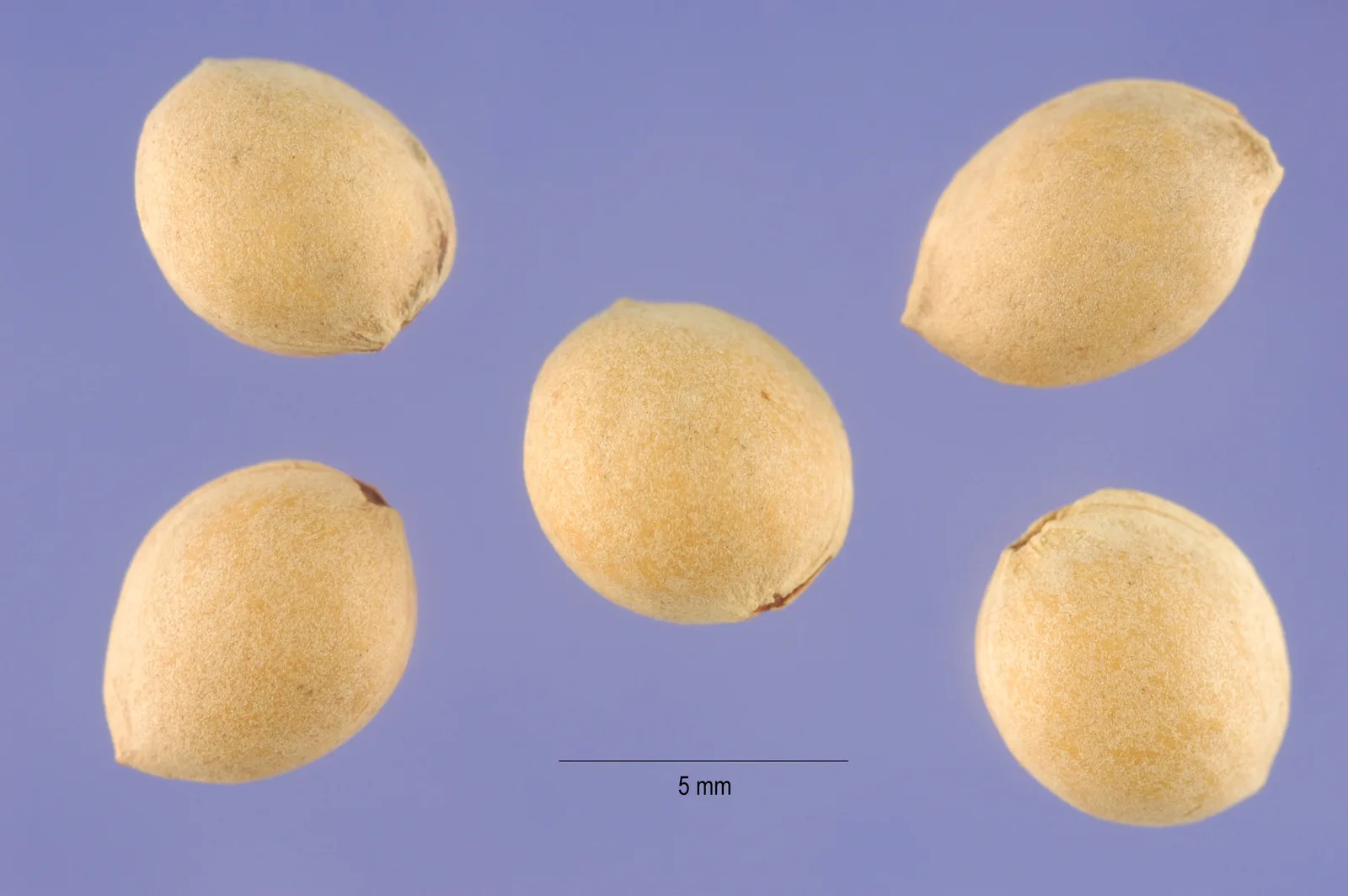
Mahleb (also written mahlepi, mahlab, or mahaleb) is the ground inner kernel of the small stone of the St Lucie or mahaleb cherry. The hard pit is cracked open to free a soft seed about 5 millimeters across, which is dried and milled to a fragrant pale powder used to perfume sweets, breads, and an array of warm and cold drinks across the eastern Mediterranean and Middle East.
How mahleb is prepared
In beverages mahleb is used in small, perfuming quantities: ground and simmered into spiced milk drinks and hot beverages, infused with honey, sesame, and nuts into sweet pastes thinned for drinking, blended into festive spiced-milk and pudding-style drinks, and added to warm or chilled almond- and cherry-accented infusions. It is prized as an aromatic accent rather than a base, lending an almond-cherry warmth that pairs naturally with the cherry liqueurs and orgeat-style flavors of the wider drinks world.
Other preparations
In depth
Ancient and medieval roots
The plant behind mahleb, the mahaleb or St Lucie cherry, is a small wild cherry whose tiny, intensely bitter fruit is of little value, but whose stone hides a fragrant kernel that has been gathered for millennia. Recipes invoking a fruit or seed called 'halub' reach back to ancient Sumer, and the kernel's medicinal and aromatic reputation carried into the medieval Islamic world, where scholars writing in Arabic discussed it under the name mahleb. One twelfth-century agricultural writer even described boiling the seeds in sugared water, an early hint of the kernel's life beyond solid food and toward sweetened liquid preparations. From these origins in Mesopotamia and the surrounding lands, mahleb settled into the food and drink culture of the eastern Mediterranean and Middle East as a precious perfuming agent used a pinch at a time.[1]
Hot spiced milk drinks of the Levant and Anatolia
In the Arab Levant, Turkey, and neighboring regions, ground mahleb most often reaches the cup as a perfume for warm milk-based drinks. The same kernel that scents festive breads and filled pastries is simmered, in tiny amounts, into sweetened milk along with companions such as cinnamon, mastic, or rosewater, lending a soft almond-and-cherry aroma. Because the powder is potent and faintly bitter in excess, it is dosed sparingly, used to round and deepen a milky drink rather than to dominate it. These hot, comforting beverages are tied to cold-weather hospitality and to the rituals of holidays and family celebrations, the same occasions that call for mahleb-scented baking.[2]
Honey-and-nut pastes thinned into drinks in Egypt
In Egypt, powdered mahleb is worked together with honey, sesame seeds, and nuts into a sweet paste eaten as a dessert or a snack with bread. This dense, aromatic confection is also a natural starting point for a beverage: such pastes are readily loosened with warm milk or water into a thick, nourishing, mahleb-scented drink in the tradition of the region's many sesame- and nut-based potions. Here the kernel functions much as almond does in milk drinks elsewhere, contributing a marzipan-like warmth and a whisper of cherry to an otherwise rich, sweet liquid.[2]
Festive sweet infusions across the Greek and Armenian world
Mahleb is woven through the holiday calendars of Greek, Armenian, and Turkish communities, where it flavors Christmas, New Year, and Easter breads such as christopsomo, vasilopita, and the braided tsoureki, known as choreg in Armenian and paskalya çöreği in Turkish. The same warm, almond-cherry note that defines these breads carries over to the sweet drinks served alongside them. Ground mahleb steeped or simmered in milk or water produces a gently perfumed, non-alcoholic infusion fitting for feast days, complementing puddings and sweet breads with its festive aroma. As an herbal-style infusion it joins the broad family of spice and seed teas made by steeping aromatic plant material in hot water.[3]
Kinship with cherry liqueurs and the wider drinks world
Although mahleb itself is a non-alcoholic spice, its flavor sits squarely in the same territory occupied by cherry-derived drinks. The mahaleb cherry belongs to the true cherries of the genus Prunus, the same broad group that yields the sour Marasca cherry distilled into maraschino and other cherry liqueurs prized for their nutty, almond-tinged, faintly funky character. Cherry stones across this group share an amygdalin-driven bitter-almond note, which is exactly the quality maraschino and orgeat-style flavors prize and that mahleb delivers without alcohol. For the no- and low-alcohol drinks maker, mahleb offers a way to evoke that classic cherry-almond profile in milk drinks, syrups, and infusions, echoing the celebrated liqueur traditions without the spirit base.[4]
Mahleb in contemporary specialty beverages
In recent decades mahleb has spread slowly into English-language cookbooks and, with it, into a broader contemporary drinks vocabulary. Modern makers treat the ground kernel as an aromatic accent for spiced milk drinks, warm seasonal lattes and steamers, sweet horchata- and orgeat-style preparations, and house syrups infused for sodas and mocktails. Its almond-cherry warmth pairs naturally with cardamom, mastic, rose, and cinnamon, the classic eastern Mediterranean partners, and it can stand in for or layer beneath almond in alcohol-free recreations of cherry-almond cocktails. Used in small quantities, just as in its traditional baking and festive-drink roles, mahleb gives specialty no- and low-alcohol beverages a distinctive, heritage-rooted fragrance.[2]
References
- [1]EncyclopediaPrunus mahaleb — Wikipedia↑§1
- [2]EncyclopediaMahleb — Wikipedia↑§2↑§3↑§6
- [3]EncyclopediaHerbal tea — Wikipedia↑§4
- [4]EncyclopediaMaraschino — Wikipedia↑§5