Linden Flower
Also known as: linden, lime flower
The fragrant, pale yellow-green blossom of the linden (lime) tree, harvested with its papery wing-like bract and steeped into a softly honeyed, calming infusion valued for its nectar-rich aroma.
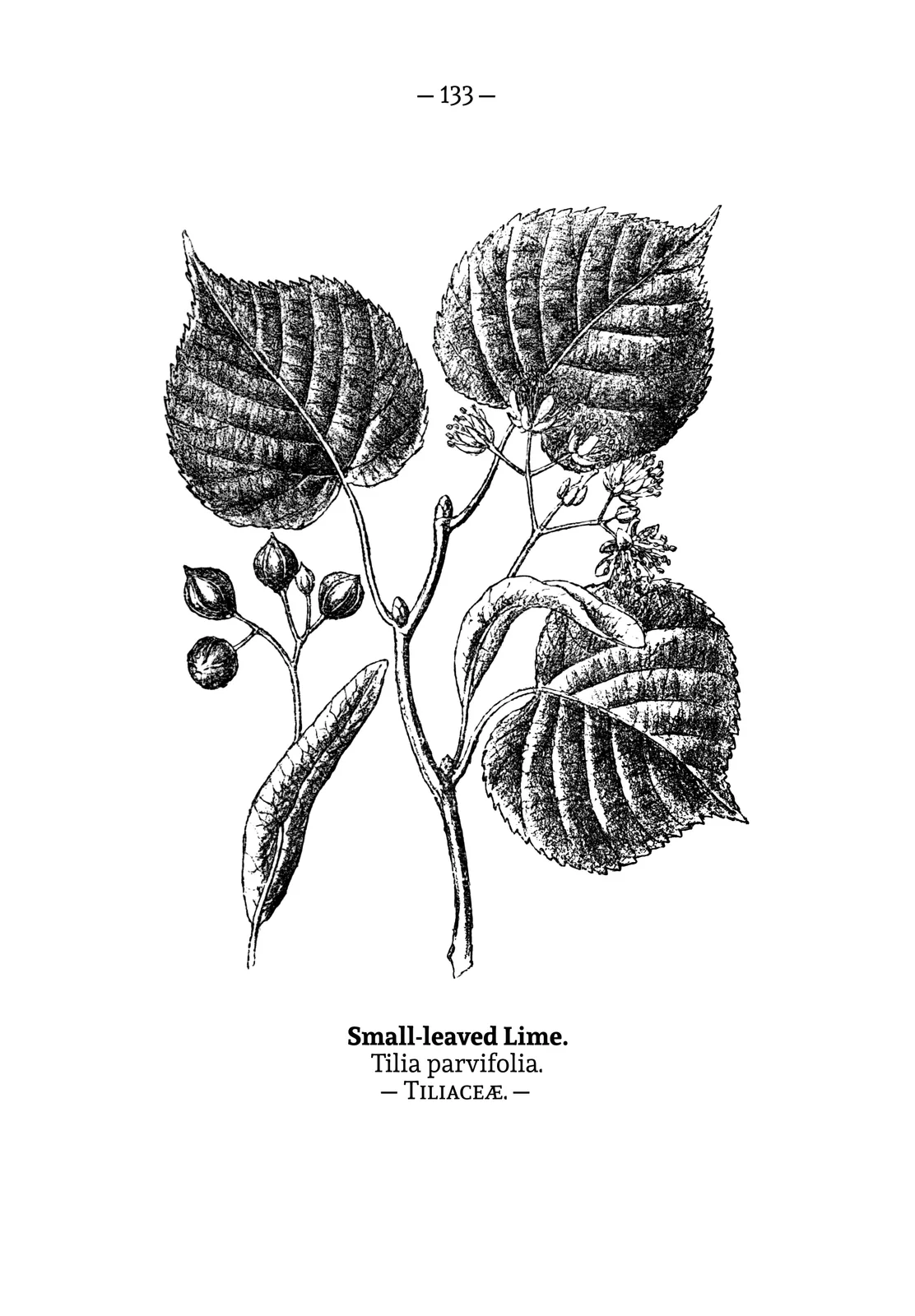
Usage in beverages
Most often infused as a caffeine-free herbal tea or tisane from dried flowers (sometimes with the leaves); also used in tinctures, blended with other florals, and valued as a nectar-rich aromatic that connects to honey-based and other specialty drinks.
In depth
The flowering tree and its blossoms
Linden, called lime in Britain and linden or basswood in North America, is a genus of tall deciduous trees found throughout the temperate Northern Hemisphere, with the greatest range of species in Asia and well-established populations in Europe and the eastern United States. Its blossoms are small and five-petaled, yellow to greenish-yellow, intensely fragrant, and so rich in nectar that they draw bees and yield a pale, full-bodied monofloral honey. For the cup, it is these flowers that count: once dried, they are mildly sweet and slightly tacky, and they hold an aromatic volatile oil that gives any infusion made from them its pleasant, honeyed taste. The very quality that makes the tree a favorite among beekeepers also explains its long career as a flavoring and infusion plant.[1]
A folk drink of Europe and the Balkans
Across Europe, linden flower has a long history as a homely, comforting beverage. A brew prepared from the dried blossoms, sometimes together with the leaves, has been drunk for generations as a folk remedy and relaxant throughout many Eastern European countries, where it belongs to the colder part of the year. In the Balkans especially, the flowers are gathered, dried, and steeped into an herbal tea consumed through the winter. The infusion is prized both for its gentle, honeyed taste and for its reputation as a soothing, calming drink, and the same flowers have been worked into tinctures within European herbal practice. This pairing of agreeable flavor and a relaxing, warming character has kept linden flower tea a fixture of domestic and seasonal drinking customs.[1]
Linden tea in Central and Western Europe
In Central, Southern, and Western Europe the dried flowers became a familiar herbal remedy and everyday drink known by a host of local names: lime tea or linden tea in Britain, tilleul in France, and tila in Spain. The blossoms of the small-leaved lime in particular, gathered with their leafy bract, are the classic material for these infusions, sold under names that point straight to the flower itself. As with the Balkan winter tea, the appeal lies in the soft, sweet aroma rather than in any stimulant effect, and the drink sits comfortably within a broader European herbal culture that also valued linden honey for its flavor and reputed wholesomeness.[2]
Linden flower in Chinese tradition
In China, dried linden flowers are likewise steeped to make a tea, drawing on the same fragrant blossoms used elsewhere. The Chinese species of the genus belong to a wider culture in which the tree is valued for its timber, its honey, and its flowers, and northeastern China in particular is renowned for a pale, high-quality linden honey. As in Europe, the charm of the brewed flower lies in its mild scent and sweetness, placing it among the plant materials infused in hot water for a gentle, caffeine-free drink rather than as a stand-in for true tea from the tea plant.[1]
A classic herbal tisane
In the modern language of drinks, linden flower belongs firmly to the family of herbal teas, or tisanes: beverages made by infusing or decocting plant material that does not come from the tea plant, Camellia sinensis. Such infusions are not technically teas, and most of them, linden among them, are naturally free of caffeine. Linden commonly appears under names such as lime blossom or lime flower, referring to the dried flowers of the Tilia tree, and it stands alongside chamomile, lavender, lemon balm, and other soft, non-stimulating florals and herbs. Like other tisanes it can be steeped alone or in a blend, and it is among the herbs whose traditional reputation as a mild relaxant overlaps neatly with their use as a pleasant everyday drink.[3]
How the infusion is made
Preparing linden flower follows the ordinary logic of infusion, the drawing of flavor and aromatic compounds out of plant material suspended in a liquid such as water. Hot or boiling water is poured over the dried flowers, which are left to steep before being strained off, leaving a fragrant infusion behind. Because much of linden's character lives in its delicate volatile oils, a covered steep helps hold on to the scent. The same flowers can also be set to steep in cold water over a longer period, an approach that suits aromatic, oil-rich botanicals, and the resulting drink is best enjoyed fresh, though it may be bottled and chilled for later use.[3]
A bridge to honey-based and fermented drinks
Linden's nectar and honey connection gives it a natural foothold in the world of honey-based beverages. Mead, the fermented honey drink reckoned among the most ancient of alcoholic beverages, takes much of its character from the floral source of its honey, and styles flavored with herbs and flowers, called metheglins, have long drawn on aromatics such as meadowsweet, hops, lavender, and chamomile. Floral meads of the rhodomel type were made not only with roses but with blossoms such as heather, elderflower, and dandelion, and a pale, richly flavored linden honey would carry its floral signature into any such brew. In low- and no-alcohol contexts, the same honeyed, nectar-like quality lets linden flower lend its soft floral aroma to lightly fermented or honey-sweetened specialty drinks, echoing in a gentle modern form the old bond between linden, bees, and the cup.[4]