Lavender
An aromatic flowering herb of the Mediterranean, whose dried buds and flowers are infused, brewed, or fermented to lend a floral, perfumed character to drinks.
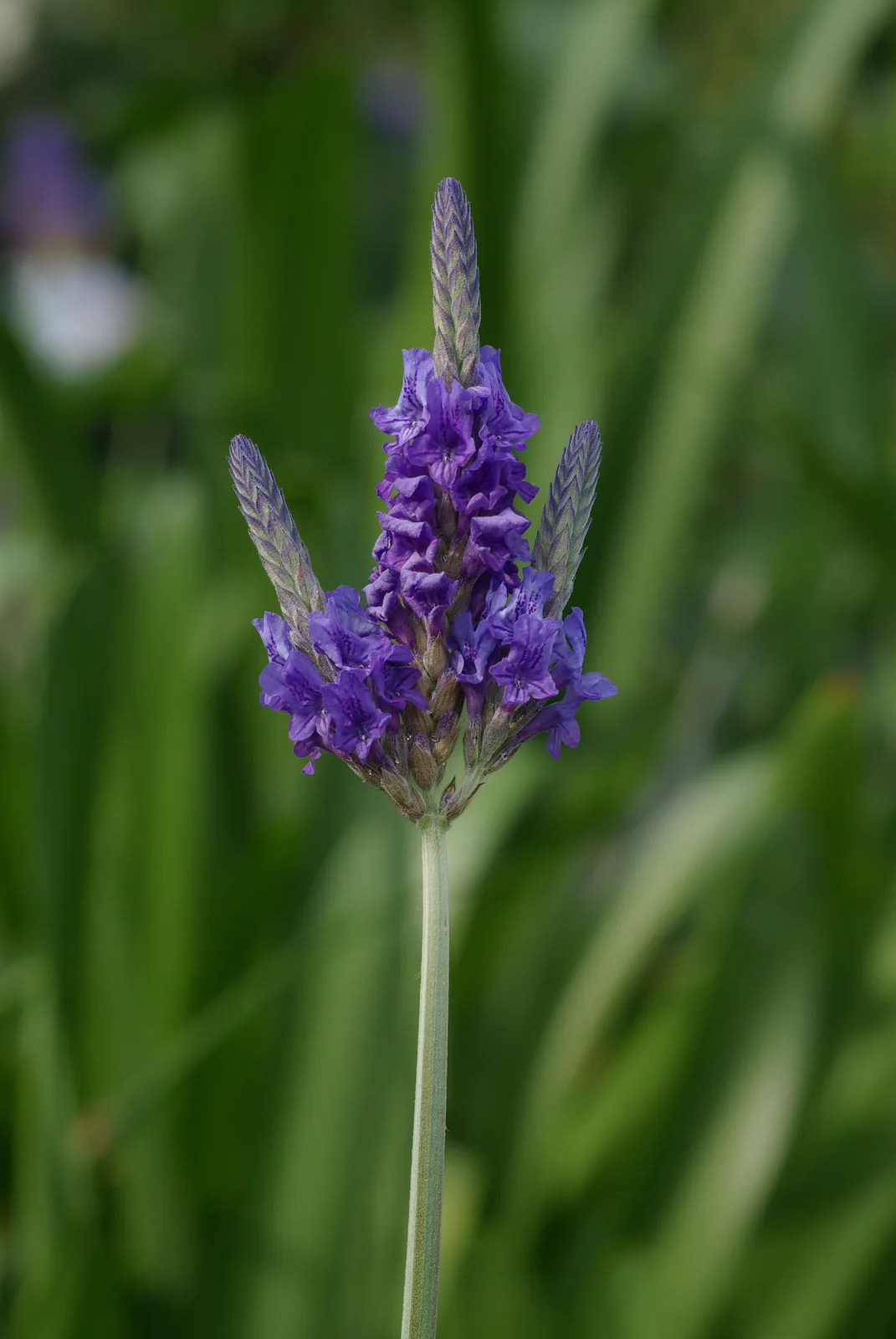
How lavender is prepared
Dried buds and flowers are steeped as a tisane or blended into black, green, and herbal teas; infused into syrups, honeys, and flavored waters; used to scent sparkling and aromatized drinks; and added as a botanical in fermented and infused specialty beverages.
Water Kefir Fermentation
A short fermentation with water-kefir grains -- a symbiotic culture of bacteria and yeasts -- that adds gentle effervescence, body, and a soft lactic creaminess without significant alcohol.
In depth
Mediterranean origins and the ancient drink connection
Lavender belongs to a genus of perennial flowering plants in the mint family, native to the warmer, drier lands ringing the Mediterranean and extending into North Africa, the Levant, and beyond. The Greeks knew it as nardus or nard, and the plant they first cultivated was the species now called Lavandula stoechas. Its very name carries a liquid association: the word lavender is generally traced to Latin terms meaning 'to wash,' reflecting the early use of fragrant infusions of the flowers in bathing water. While the Romans valued the blossoms highly and prized their scent, the plant's deepest link to drinks would come later, as its perfumed buds were steeped, sweetened, and fermented across Europe.[1]
Medieval spiced wines and English tables
By the Middle Ages, lavender had found a place in flavored and spiced drinks. A form of the plant referred to as Spanish nard appears among the ingredients of hippocras, the medieval spiced wine, in the early English culinary collection known as The Forme of Cury. Having been introduced to England by the Romans, lavender remained a fixture of English domestic life, where it was prepared as a conserve, valued at the table, and steeped into teas taken both for pleasure and as a remedy. Tradition holds that it was favored at the court of Queen Elizabeth I. These early uses established lavender as an ingredient prized for perfuming and gently sweetening a drink rather than dominating it.[1]
Lavender as an herbal infusion
The most enduring drink made from lavender is the simple infusion: dried flowers and buds steeped in hot water to make a tisane, a category of herbal tea brewed from plants other than the tea bush and naturally free of caffeine. Lavender appears among the long roster of plants used this way, taken on its own as a soothing, fragrant cup or blended with other botanicals. Its buds are also commonly combined with true black, green, or herbal teas to lend a floral lift, a use that places it alongside other flowering ingredients such as chamomile, jasmine, and rose petals in the world of scented and blended teas. Because the dried buds intensify in potency, they are used sparingly to avoid a heavy, soapy character.[2]
Lavender in mead and other fermented honey drinks
Lavender's close relationship with bees gives it a natural place in fermented honey beverages. The flowers yield abundant nectar, and bees working lavender fields produce a prized monofloral honey marketed across the Mediterranean and beyond. That same affinity carries into mead, the ancient fermented honey drink. A mead flavored with herbs or spices is called a metheglin, and lavender is named among the botanicals — alongside chamomile, meadowsweet, and hops — that brewers infuse into the fermenting honey-water to scent the finished drink. In this tradition lavender functions both indirectly, as the floral source behind a distinctive honey, and directly, as an aromatic added during fermentation.[3]
A botanical in aromatized wines
Lavender also belongs to the broad family of herbs, roots, barks, and flowers used to flavor aromatized, fortified wines such as vermouth. Vermouth is built by steeping a proprietary mix of botanicals into a wine base, and producers draw on a wide palette of fragrant plants — cloves, cinnamon, citrus peel, chamomile, coriander, and others — to compose their signature recipes. Floral and herbal notes of this kind are central to the style, and lavender's perfumed, honeyed character fits the tradition of softening and scenting a fortified base. While vermouth itself is alcoholic, the same Mediterranean botanical vocabulary informs the lower- and no-alcohol aromatized aperitifs and infused wines that lavender now flavors.[4]
Modern syrups, teas, and craft drinks
In the twenty-first century lavender has become a fashionable flavoring across many regions, used to scent teas, vinegars, baked goods, and a wide range of beverages. Its buds are steeped into syrups and infused into sugars and honeys that sweeten and perfume drinks, and it is frequently paired in lavender-forward teas and floral blends. The flowers also serve a decorative and aromatic role, scenting a glass of sparkling wine or finishing a specialty drink. For no- and low-alcohol beverages in particular, lavender syrups and infusions have become a popular way to add a recognizable floral-citrus character to sodas, lemonades, iced and hot teas, milk-based drinks, and craft mocktails — used in restrained amounts, since the dried buds quickly turn soapy if overdosed.[1]