Jalapeño
The jalapeño is a medium-sized chili pepper, a cultivar of Capsicum annuum, usually harvested green though sometimes ripened to red, orange, or yellow. Mild to moderately hot (roughly 4,000–8,500 Scoville heat units), it is prized in beverages for its bright, grassy character as much as for its measured heat.
Usage in beverages
Most often muddled fresh into mixed drinks and their non-alcoholic counterparts, or infused into syrups, waters, and spirits to lend vegetal heat. Slices or rounds season fermented Mexican beverages such as tepache; the dried, smoked chipotle form contributes smoky notes to savory drinks; and red ripe jalapeños are the base of widely used chili sauces sometimes splashed into cocktails and savory mocktails.
In depth
Mesoamerican origins and early fermented drinks
The jalapeño descends from chili peppers domesticated in Mexico thousands of years ago and was already in wide use among the Aztecs before European contact. While chilies were primarily food and medicine, Mesoamerican drink culture made room for them in seasoned, lightly fermented beverages. The Nahua tradition of tepache, originally a corn-based drink, is one strand of this heritage; in its modern pineapple form it is often finished with chili powder and salt. This pairing of a tart, gently fermented base with chili heat established a template—pepper as a seasoning for a drink rather than merely a dish—that jalapeño-spiced beverages still follow today.[1]
The jalapeño plant and its character for beverages
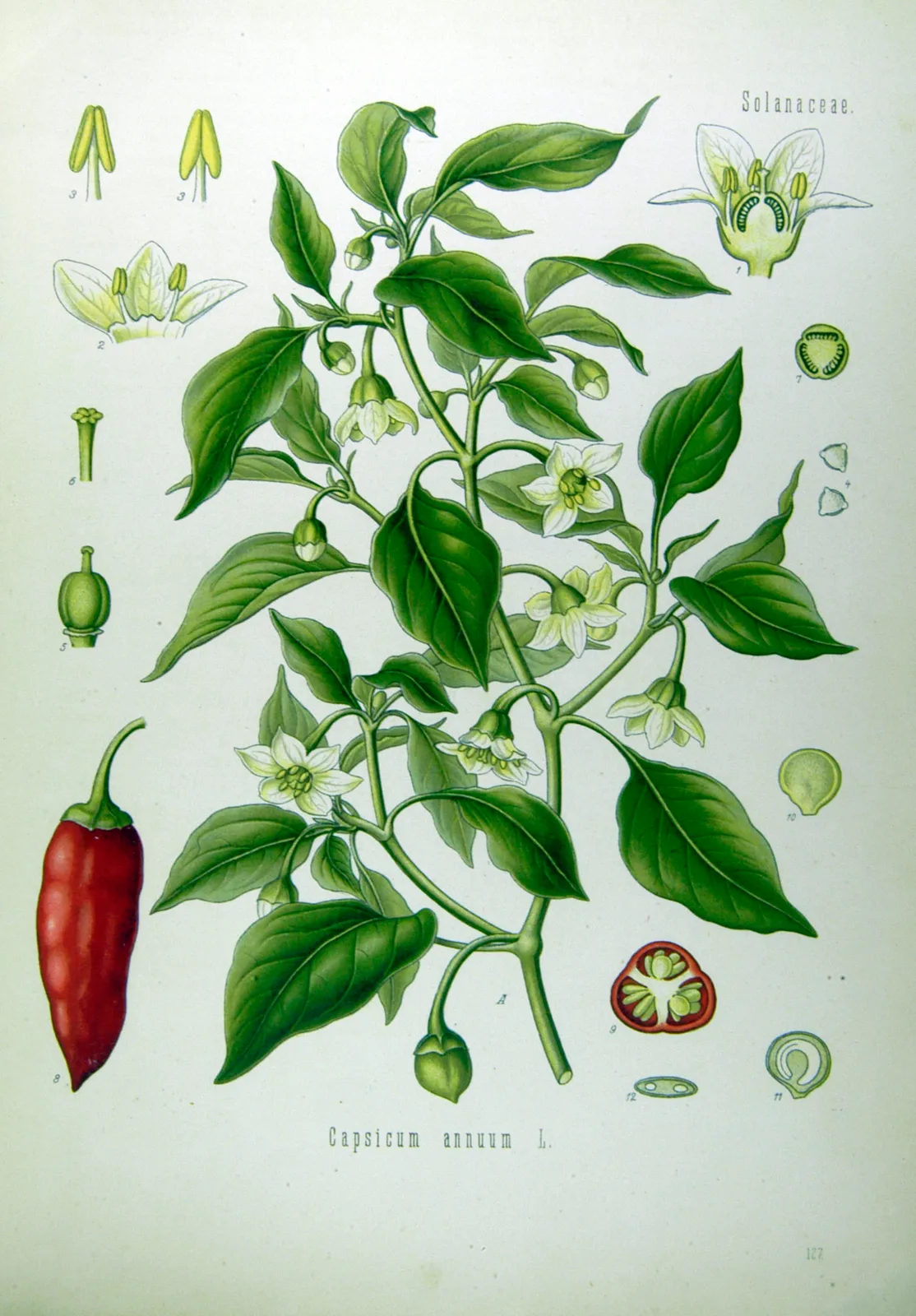
As a cultivar of Capsicum annuum, the jalapeño is typically picked while green and unripe, though left on the plant it ripens to red and grows hotter and fruitier. Its heat is comparatively gentle—usually a few thousand Scoville units, occasionally higher—which is precisely what makes it useful in drinks: it delivers a bright, vegetal greenness and a controllable warmth without the searing intensity of habanero or ghost peppers. Sweet, heatless hybrids that keep the look and flavor of a jalapeño have also been bred, allowing the pepper's fresh character to be used where heat is unwanted. These traits explain why bartenders and drink makers reach for it as a flexible flavoring rather than a brute source of fire.[2]
Muddled and infused in mixed drinks
In contemporary beverage culture the jalapeño is most commonly muddled fresh into mixed drinks, releasing its green, herbaceous flavor and a measured prickle of heat into the glass. The same technique carries directly into no- and low-alcohol drinks, where fresh slices are pressed into citrus, cucumber, and agave-based mocktails to give backbone and a savory edge. Beyond muddling, jalapeño is steeped into simple syrups, infused waters, and spirit or non-alcoholic-spirit bases to spread its warmth evenly through a drink. Because handling fresh peppers can irritate skin and eyes, careful preparation is part of the craft. The result is a category of spicy, vegetal beverages that balance heat against sweetness and acidity.[2]
The smoked jalapeño: chipotle in savory drinks
When ripe red jalapeños are smoke-dried they become chipotles, a transformation rooted in Mesoamerican preservation practices and named from the Nahuatl word for 'smoked chili.' Producing chipotles traditionally means smoking the peppers over wood—often pecan—for several days until they shrivel and concentrate, yielding a deep, earthy smokiness layered over the pepper's underlying heat. In beverage terms this smoky, mild-but-complex form lends itself to savory drinks: chipotle powder, adobo, and chipotle-laced sauces are stirred into tomato-based and other savory mocktails and brunch-style drinks, where the smoke reads as depth rather than spice. The chipotle thus extends the jalapeño's reach from fresh, green brightness into warm, smoldering territory.[3]
Sriracha and hot sauces as a beverage flavoring
The ripe red jalapeño is the base of sriracha-style chili sauce, a blend of chili paste, vinegar, garlic, sugar, and salt that originated in Thailand and was popularized in the United States in a jalapeño-forward form. Though primarily a condiment, this style of sauce has crossed into drink culture: it has been used in cocktails, and jalapeño-based hot sauces more broadly are splashed into savory mixed drinks and their alcohol-free versions to add heat, acidity, and a garlicky tang. Jalapeño sauces sit at the milder, greener end of the hot-sauce spectrum, with red jalapeño versions running hotter than green—making them a forgiving way to introduce pepper character into a glass.[4]
Jalapeño alongside agave spirits and Mexican drink traditions
In its Mexican homeland the jalapeño naturally accompanies the country's distilled agave traditions. Mezcal, distilled from roasted agave hearts, carries a smoky flavor of its own, and its category formally allows infused or flavored expressions; the regulatory framework permits additions such as fruits, herbs, and other ingredients, and chili-spiced agave drinks fit comfortably within Mexican cantina culture. The same logic of pairing agave's earthiness with chili heat underlies the spicy citrus-and-agave cocktail family and the non-alcoholic drinks built in their image, where muddled jalapeño bridges the smoke and sweetness. Distillers and drink makers also use the pepper's green, vegetal aromatics to evoke fresh, herbaceous notes—structure and lift—without necessarily carrying heat into the finished drink.[5]