Hazelnut
Also known as: filbert, cobnut
The hazelnut is the edible nut of the hazel tree, prized for its rich, sweet, buttery flavor that deepens into toasty, roasted notes when heated. In beverages it appears mainly as an infusion, a flavoring paste, or a distillate, lending body and a warm, confectionery character to liqueurs, mead, and modern nut-forward drinks.
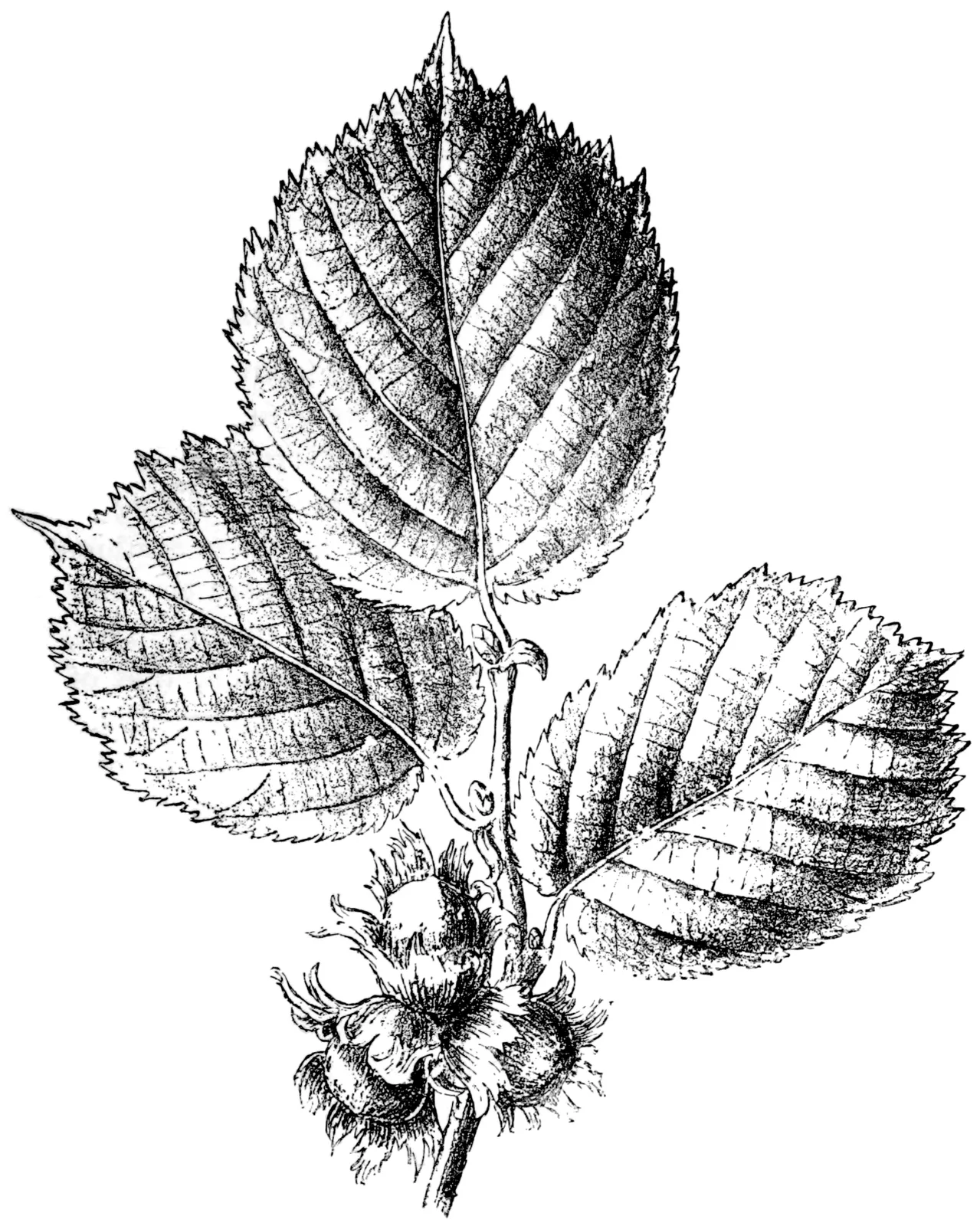
Usage in beverages
Hazelnuts are infused into mead and steeped into spirits, distilled to make hazelnut liqueurs, ground into pastes and syrups for flavoring, and used to create nut-based notes in coffee drinks, dessert cocktails, and contemporary no- and low-alcohol beverages.
In depth
Ancient gathering and early use
The hazelnut is among the oldest harvested foods in Europe, with archaeological evidence pointing to large-scale gathering and roasting deep in prehistory. A Mesolithic pit on the Scottish island of Colonsay, dated to roughly 6000 BCE, held the charred remains of hundreds of thousands of hazelnut shells, suggesting that whole communities relied on the nut. Native to Europe and Asia Minor, the hazel was valued for a nut that could be eaten raw, roasted, or ground into a paste — the same versatility that later made it useful in flavored drinks. While these early people were not making beverages from hazelnuts in any documented sense, the long familiarity with the nut as roasted, storable food set the stage for its later role as a drink ingredient.[1]
Hazelnut-infused mead in early medieval Ireland
One of the clearest early links between the hazelnut and a finished beverage comes from medieval Ireland, where mead — fermented from honey and water — was a celebrated drink of feasts and heroes. Mead was a popular drink in medieval Ireland and was often infused with hazelnuts, lending the honey wine a nutty depth. The drink carried symbolic weight: a banquet hall on the Hill of Tara was remembered as the "house of the circling of mead," and mead recurs throughout Irish saints' legends. In this tradition the hazelnut acted as a flavoring steeped into the fermenting or finished mead, an early example of the nut shaping the character of a brewed drink.[2]
Piedmont, gianduja, and the chocolate-hazelnut connection
Around Turin in northern Italy, the practice of grinding roasted hazelnuts together with chocolate produced gianduja, a paste that became one of the region's signature confections. This blend — heavy on hazelnut, with a measure of chocolate — was eventually refined into spreadable forms and the familiar hazelnut cocoa spread. Although gianduja is primarily a confection, its flavor profile became a template for sweet, nutty drinks: hazelnut-and-chocolate notes now appear in dessert cocktails, blended coffee beverages, and milk- and plant-based drinks that echo the Piedmontese pairing. The concentration of hazelnut cultivation around Alba, a town known for its nuts, helped make this regional flavor an internationally recognized one.[3]
Hazelnut liqueurs
The most direct use of the hazelnut in beverages is as the base flavor of a sweet liqueur. The best-known style is an Italian hazelnut-and-herb liqueur, traditionally bottled in a shape recalling a friar's robe, built from a hazelnut distillate sweetened with sugar and rounded with caramel color and aromatic flavorings, and bottled at a relatively modest strength for a spirit. Such liqueurs are descendants of the herbal cordials long made in Europe, often by monks — alcoholic drinks composed of spirits sweetened and flavored with nuts, fruits, herbs, or spices. They are typically served over ice, mixed with soda, or used to add a toasted, praline-like sweetness to cocktails and coffee drinks.[4]
Nut liqueurs in the broader European tradition
The hazelnut liqueur belongs to a wider European family of nut-infused spirits, the closest relative being the walnut liqueur known as nocino. Made by steeping unripe green walnuts in a spirit base and then sweetening the strained liquid with simple syrup, nocino is a dark, bittersweet, aromatic drink rooted in the Emilia-Romagna region and historically tied to midsummer and the feast of St. John. Like nocino, hazelnut liqueurs are often homemade as well as commercially produced, with families and producers guarding their own recipes and frequently adding spices such as cinnamon, vanilla, or citrus zest. These nut liqueurs share a heritage in medieval monastic and medicinal practice, where infusions of nuts in alcohol were valued both as remedies and as digestifs.[5]
Hazelnut as a nut syrup, alongside almond traditions
Beyond fermentation and distillation, nuts have a long history as the basis of sweet, often non-alcoholic syrups for flavoring drinks. The almond-based orgeat — a sweet syrup of nuts and sugar scented with rose water or orange flower water, originally made with barley — shows how a pounded nut can be turned into a milky cordial diluted with water as a summer drink or used to flavor cocktails. The hazelnut occupies the same niche in modern beverage making: ground or pasted hazelnut is used to build flavored syrups that sweeten and perfume coffee drinks, milkshakes, and mixed drinks. This syrup approach lets the hazelnut's toasty character carry into a glass without any alcohol at all.[6]
The hazelnut in today's no- and low-alcohol drinks
In contemporary beverage culture the hazelnut is firmly established as a flavoring for drinks of all strengths. As a liqueur it remains a fixture of dessert cocktails and after-dinner serves, often layered with coffee and cream liqueurs in the manner of the classic layered drinks, where colored and flavored liqueurs are floated in striped layers. In the growing no- and low-alcohol space, the same toasted, sweet, praline-like notes appear in hazelnut syrups stirred into coffee and hot milk, in nut-flavored hot chocolates, and in plant-based and dairy drinks built around the chocolate-hazelnut pairing first popularized in Piedmont. Whether infused, distilled, syruped, or pasted, the hazelnut continues to contribute warmth and confectionery richness across the spectrum of modern drinks.[7]