Chamomile
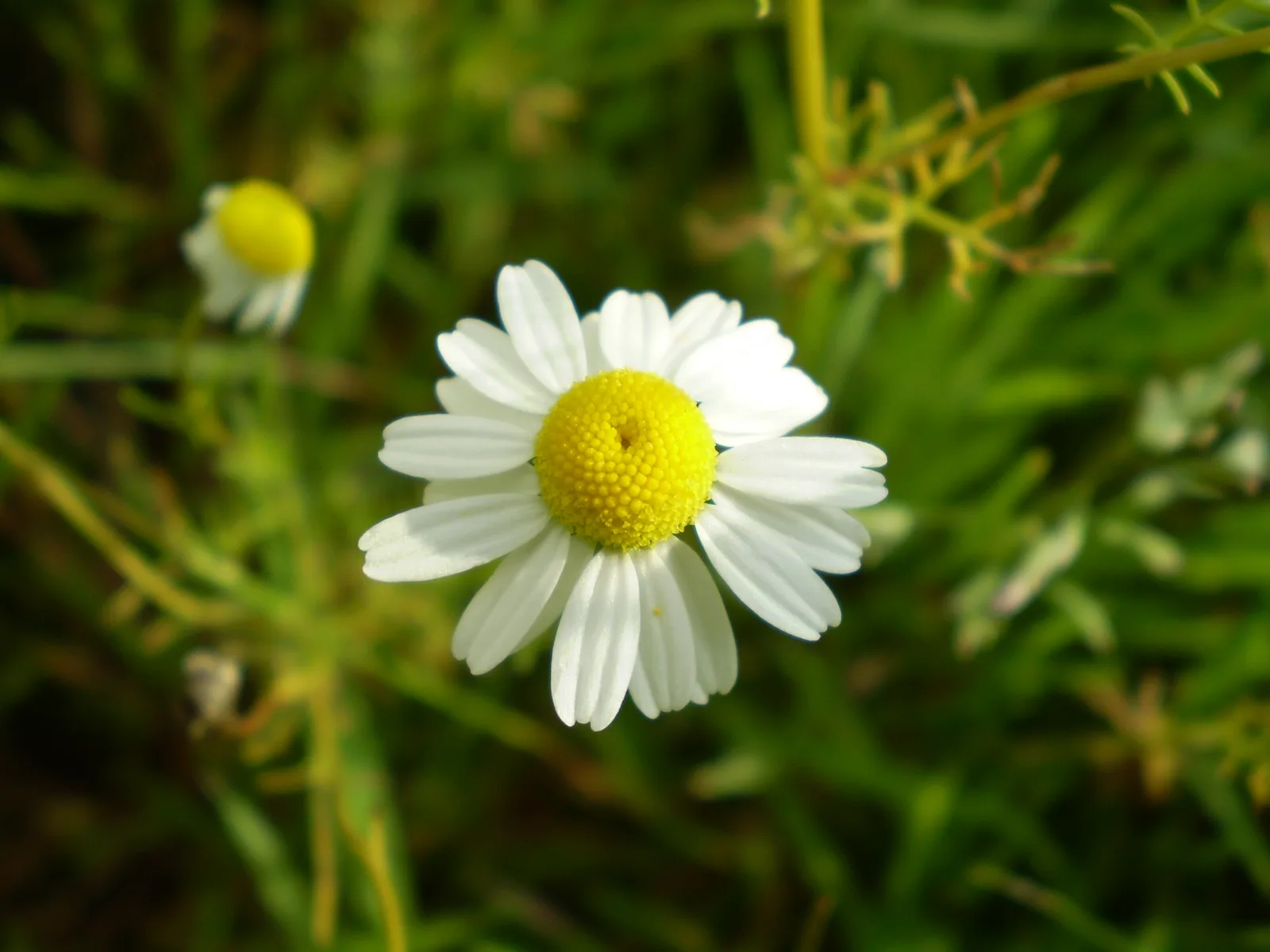
Chamomile is the common name for several small, daisy-like flowers of the Asteraceae family whose dried heads carry a soft apple-and-honey aroma. Two species supply almost all the chamomile used in drinks: German chamomile (Matricaria chamomilla) and Roman chamomile (Chamaemelum nobile).
How chamomile is prepared
Chamomile is most familiar as a caffeine-free herbal infusion made by steeping dried flowers in hot water, but it also has a history as a bittering and flavoring herb in unhopped and gruit-style beers, and it appears in modern craft brewing and botanical drink-making.
Other preparations
In depth
Origins and the apple-scented flower
Chamomile is not a single plant but a name shared by several daisy-like members of the Asteraceae family, of which two dominate beverage use: German chamomile (Matricaria chamomilla) and Roman chamomile (Chamaemelum nobile). Both are native to Europe and the wider Mediterranean and North African basin, with German chamomile later naturalizing across the globe. The name itself, drawn through Latin and French from a Greek term meaning "earth-apple," records the trait that has always recommended the flower to drinkers: a sweet, apple-like fragrance carried in the volatile oil of its small white-and-yellow heads. From early on these two species, rather than the many look-alikes also called chamomile, were the ones selected to flavor drinks.[1]
The herbal infusion
By far the most enduring use of chamomile in beverages is as an herbal infusion, prepared by pouring hot water over the dried flower heads and letting them steep. Because it is not made from the tea plant, Camellia sinensis, it is technically a tisane rather than a true tea, and like most such infusions it contains no caffeine. The resulting drink is pale gold with a mild apple-honey character, and it sits alongside other classic single-herb infusions—mint, lemon balm, hibiscus, rooibos—in the broad family of herbal teas consumed worldwide. It is most often drunk on its own but is also blended with other herbs, flowers, and fruit, and may be sweetened or taken with lemon.[2]
European herb gardens and the Roman chamomile tradition
Roman chamomile became a mainstay of European herb gardens, especially in the British Isles, where its cultivation took hold in the sixteenth century and its fragrant, low-growing foliage made it a favorite of Elizabethan gardeners. The same dried flowers prized for their scent were used to flavor teas and infusions, and the plant carried a long reputation as a gentle, calming herb in folk practice. This garden-herb status helped cement chamomile's place in the European drinking repertoire as a soothing evening infusion, a role it still fills today, even though its dried flowers are equally familiar in fragrance and skincare uses.[3]
Chamomile in beer: gruit and unhopped ales
Before hops became the standard bittering agent in beer, European brewers flavored their ales with herb mixtures known as gruit, and chamomile is among the plants historically used to season beer. Typically the whole plant was added, lending a bitter edge alongside its floral aroma. As hops spread across Europe between roughly the eleventh and sixteenth centuries—cheaper and better at preserving the beer—these older botanical recipes faded, though gruit-style and other unhopped traditions survived in pockets. Chamomile thus belongs to the family of brewing herbs that predate the modern hop-dominated beer.[4]
A revival in craft brewing
The microbrewery movement that emerged in North America and Europe in the late twentieth century renewed interest in unhopped and botanically seasoned beers, and chamomile reappeared among the foraged flowers, roots, and herbs used by craft brewers reviving the gruit tradition. Contemporary gruit-style ales pair chamomile with ingredients such as elderberries, rose hips, lavender, and yarrow, and brewers continue to use it as a flavoring component in modern recipes. The custom of marking February 1 as International Gruit Day, observed by brewers since the 2010s, reflects this broader rediscovery of pre-hop brewing in which chamomile has a place.[4]
Manzanilla: chamomile as a naming metaphor
Chamomile's signature aroma left its mark on wine as well, though by reference rather than ingredient. In Spanish the word for a chamomile infusion is manzanilla, and a pale, dry fortified wine from the port of Sanlúcar de Barrameda in Andalusia took the same name because its delicate aroma was said to recall such an infusion. Made by the same flor-aged method as fino sherry but in the cooler, more humid coastal air, manzanilla is crisp and savory and is typically served chilled. No chamomile goes into the wine, but its scent became the yardstick by which this sherry was described and named—a measure of how recognizable the flower's fragrance had become.[5]
Chamomile in beverages today
In contemporary drink culture chamomile is best known as a caffeine-free bedtime infusion, available loose or in bags and widely associated with relaxation, although clinical evidence for specific health benefits remains limited. Beyond the teacup, it features in herbal blends, botanical sodas and syrups, and the floral cocktails and low- and no-alcohol drinks that favor delicate aromatics. It should be noted that chamomile can trigger allergic reactions in people sensitive to ragweed and related plants, may interact with anticoagulant medications, and is generally advised against during pregnancy—practical cautions for any beverage that relies on it.[6]
References
- [1]EncyclopediaChamomile — Wikipedia↑§1
- [2]EncyclopediaHerbal tea — Wikipedia↑§2
- [3]EncyclopediaChamaemelum nobile — Wikipedia↑§3
- [4]EncyclopediaGruit — Wikipedia↑§4↑§5
- [5]EncyclopediaManzanilla (wine) — Wikipedia↑§6
- [6]EncyclopediaMatricaria chamomilla — Wikipedia↑§7